

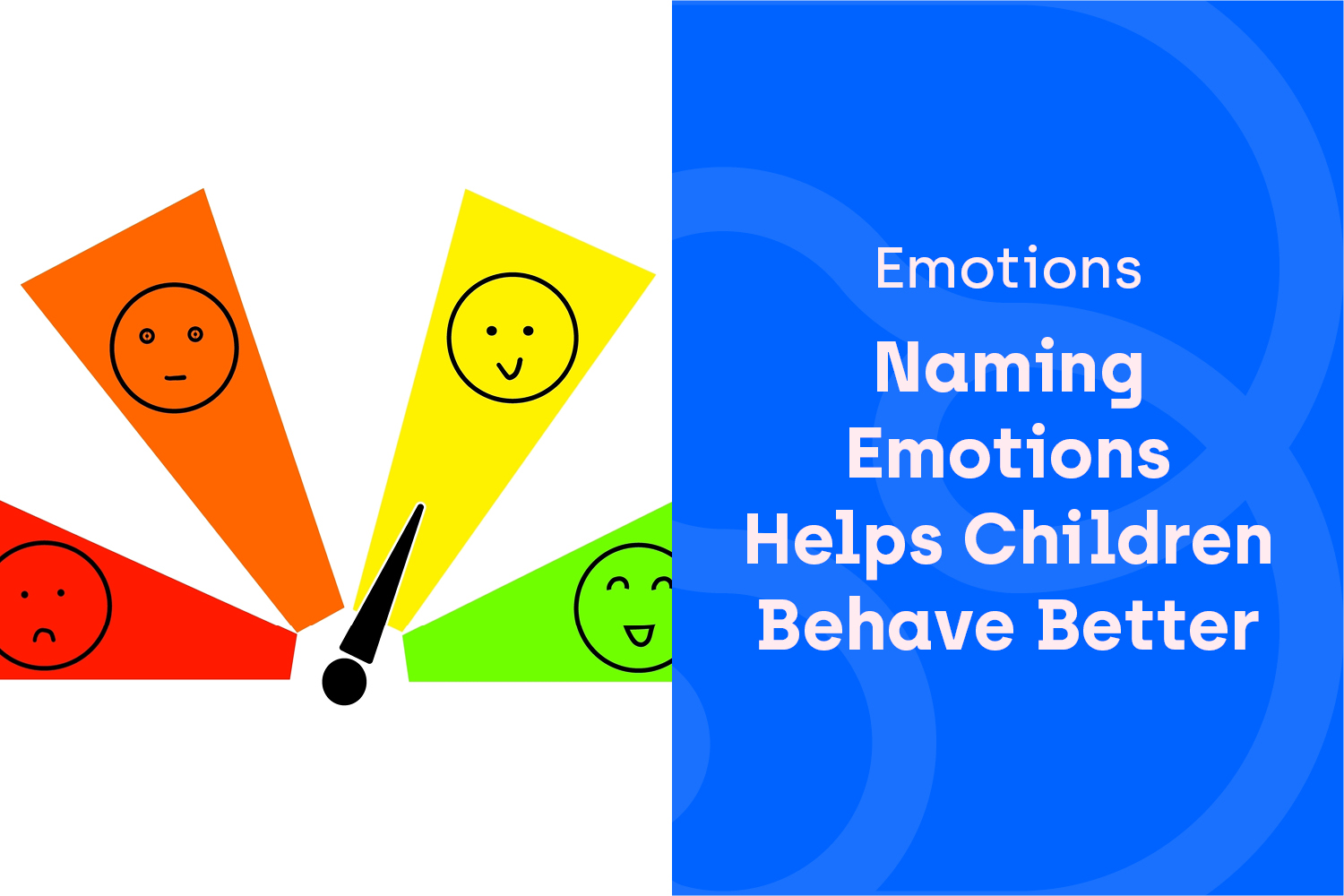
When a small child is overwhelmed by a big feeling, their behaviour often follows suit. A tantrum in the middle of the supermarket or a meltdown over a broken biscuit isn’t a sign of manipulation; it’s a sign of a nervous system in distress.
But – before we can guide their actions, we first need to connect with their emotional state.
Acknowledging your child’s feelings is one of the most powerful tools you have.
It communicates that they are safe, understood, and that their emotional experience is valid, even if the behaviour that comes with it needs to be redirected.
A young child’s brain is still building the connections between its emotional, impulsive lower part and its rational, thinking upper part. When a big feeling like anger or frustration takes over, the logical part of the brain temporarily goes offline.
When you name and validate their emotion, you help them build a bridge between these two parts of the brain. Acknowledging the feeling helps to soothe the emotional brain, which allows the thinking brain to come back online. This is the foundation of self-regulation.
As adults, our instinct is often to fix the problem immediately. If a child is crying because their tower fell, we want to rebuild it. But rushing to a solution can accidentally send the message that their feelings are an inconvenience.
Instead, try pausing and simply describing what you see and hear. Get down on their level and just be present with them in their disappointment for a moment. This simple act of bearing witness to their struggle helps them feel seen and secure.
Putting a name to a feeling can be incredibly calming for a child who is lost in a storm of emotion. Using a simple, empathetic phrase shows them you understand the cause of their distress.
You are not agreeing with the behaviour or changing the limit. You are simply showing them that you understand the feeling behind it. Often, this is enough to defuse the intensity of the moment.
Building your child’s emotional vocabulary doesn’t only have to happen during difficult times. You can weave it into your daily life in simple, natural ways.
Talk about the feelings of characters in books or on television. Notice and name your own feelings in a calm way: “I’m feeling a bit tired today,” or, “I feel so happy when we read stories together.”
The more words they have for their feelings, the more likely they are to use them instead of resorting to physical actions.
Learning to respond to your child’s emotions is a dance. Sometimes, they need you to give their feeling a name to help them make sense of it.
At other times, they may just need you to listen quietly while they cry, offering a comforting presence without words. And occasionally, with a minor, fleeting frustration, the best response is to simply let it go without comment, allowing them to move on independently. Trust your intuition to guide you.
By putting feelings first, you are not just managing a difficult moment; you are giving your child the foundational tools for emotional intelligence.
You are teaching them that all their feelings are acceptable and that they have a trusted guide to help them navigate the ups and downs of life. This connection builds a sense of security that can last a lifetime.


Branding & website design by theshapingbay.com