

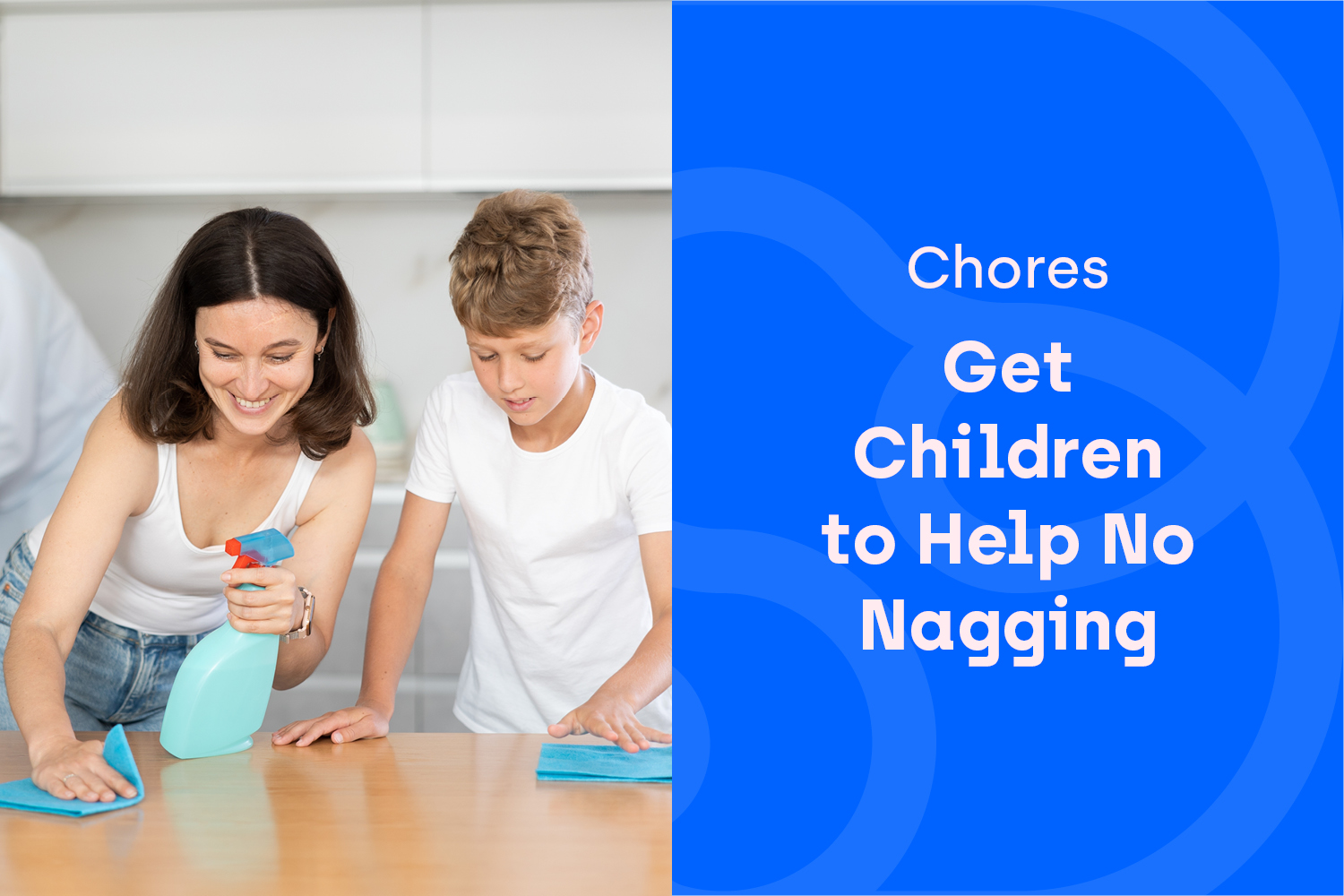
Inviting children to contribute to household tasks can feel like a constant, uphill battle. Yet, deep down, most young children have a natural and powerful desire to be helpful. They want to feel capable, competent, and know that they are a valued, contributing member of the family unit.
The challenge is that our adult methods of persuasion—logic, nagging, bribing, or threatening—often extinguish this beautiful, intrinsic motivation.
The key is to shift our approach entirely, moving from demanding compliance to inviting co-operation. This reframes chores as moments of connection rather than sources of daily conflict.
The simplest and most profound shift you can make is to frame helping as something you do together.
A command like, “Go tidy your toys,” can make a child feel isolated and resistant. It sets up a dynamic where you are the manager and they are the worker, which is rarely a recipe for happy collaboration.
Instead, try using language that creates a sense of teamwork. Phrases like, “Let’s tackle these blocks together,” or, “I’ll gather the books if you can put them on the shelf,” transform a lonely task into a shared mission.
This approach shows your child that you are on their side and that their contribution matters to the family team. It’s a small change in wording that creates a huge change in feeling.
For a young child, play is not just fun; it is their primary way of learning, processing information, and engaging with the world.
When we use playful language, we are speaking their native tongue, which makes them far more receptive to our requests. A little bit of fun and imagination can make even the most mundane task feel like an exciting game.
Instead of a direct order, try a playful invitation. The laundry basket can become a hungry monster that needs to be fed dirty socks. You could pretend to be a ‘Tidy-up Robot’ that needs a child’s expert help to function.
A race can be a great motivator: “I bet I can put my shoes away before you can!” This playful spirit bypasses their natural resistance to commands and sparks their enthusiasm to join in.
When your child does contribute, the way you acknowledge their effort makes a significant difference.
A generic “Good job” is an evaluation from you, which teaches them to seek external approval. Descriptive praise, on the other hand, helps them build their own internal sense of competence.
Describe specifically what you see them doing. Instead of “You’re such a good helper,” try, “You saw the cushions had fallen on the floor and you put them back on the sofa. Now it looks so tidy and comfortable.”
This shows them exactly what was helpful and why it mattered. It allows them to see themselves as a person who is observant, capable, and makes a positive contribution.
A broad command like “Tidy your room!” can feel incredibly overwhelming to a small child.
Their developing brain isn’t yet equipped with the executive function skills needed to plan, sequence, and execute such a multi-step project. They genuinely might not know where to begin, which can lead to them freezing or ignoring the request altogether.
The solution is to break the task into small, clear, and manageable steps. Start with one specific thing: “First, let’s put all the books back on the shelf.” Once that is done, you can move to the next step.
Giving a simple choice can also be very effective: “It’s time to tidy the craft supplies. Do you want to start with the crayons or the paper?” This gives them a sense of control and makes the task feel much more achievable.
Children thrive on predictability and rhythm. When tidying up happens at the same time and in the same way each day, it becomes an expected and normal part of the daily flow, reducing resistance. You can elevate a simple routine into a comforting ritual by infusing it with connection and meaning.
A ritual is a routine that feels special. You could create a ‘tidy-up playlist’ with a few favourite songs that you only play during this time. You could use a special timer and try to “beat the clock” together.
By consistently linking the tidy-up time to a pleasant activity that follows, like snuggling up for a story, you create a positive association that makes the whole process feel more peaceful and worthwhile.
By shifting your language from commands to invitations and infusing tasks with play and connection, you nurture your child’s innate desire to be a helpful member of the family.
This approach isn’t just about getting a clean room in the short term. It’s a long-term investment in building your child’s sense of responsibility, competence, and the joyful spirit of family teamwork.


Branding & website design by theshapingbay.com