

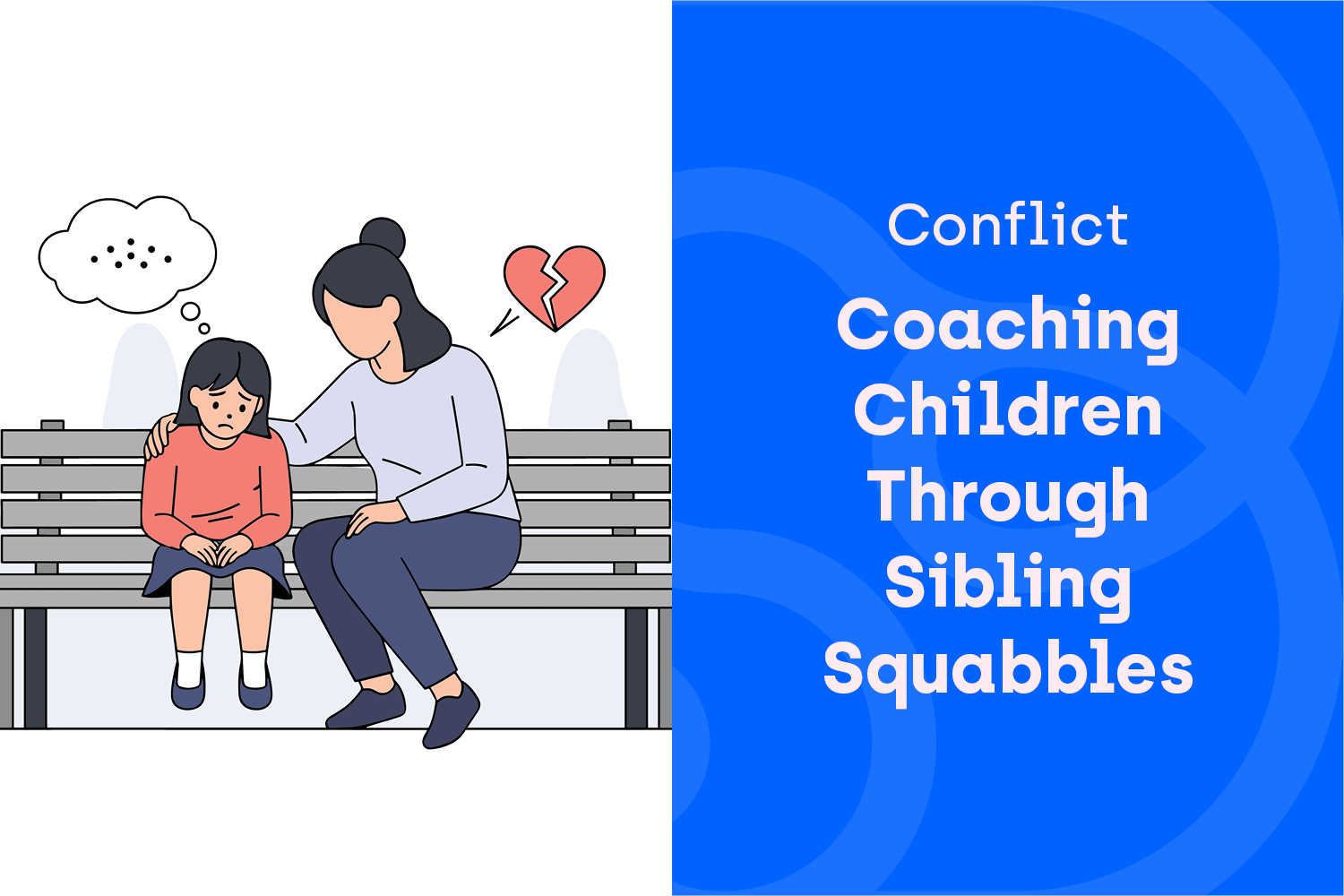
The constant noise of sibling arguments can be draining. It is one of the most challenging parts of family life. Our first instinct is often to jump in. We want to assign blame and end the fight quickly.
But these moments of conflict are also rich learning opportunities. They are the real-life training ground where children learn vital social skills. They learn negotiation, empathy, and problem-solving.
When you rush in to play judge and jury, the conflict rarely ends well. One child often feels victorious, while the other feels resentful. A better approach is to act as a neutral facilitator or coach.
Your role is not to solve the problem for them. It is to create a safe space where they can begin to solve it themselves. You are a guide, not a referee. This empowers them to build their own conflict-resolution skills.
The first step in any resolution is helping each child feel heard. Start by giving each one a chance to express their feelings. They can share their perspective without interruption.
You can help by reflecting back what you hear. “So you’re feeling angry. You wanted to use the blue crayon, and your sister took it.” This simple act of validation calms the emotional brain. It helps them feel understood and ready to listen.
As parents, we often get trapped by the idea of making things perfectly equal. But fairness doesn’t always mean that everything is the same. It means that everyone’s needs are considered and respected.
Instead of trying to divide everything exactly in half, focus on the real issue. Ask questions that guide them toward a solution. “What is the problem here? What can we do to solve it?” This shifts the focus from a rigid idea of equality to a more flexible goal of finding a solution that works.
Young children often resort to hitting, grabbing, or yelling. They do this because they lack the words to express their strong feelings. We can give them the language they need.
Coach them on what to say instead. “Instead of snatching the toy, you can say, ‘Can I have a turn when you’re finished?'” Providing these scripts gives them a practical alternative to aggression. It empowers them to express their needs respectfully.
Once feelings have been heard, you can guide them toward finding their own solution. Ask them for ideas. “What are some things we could do to solve this problem?”
Encourage them to brainstorm together. Even if their initial ideas are silly or impractical, the process is what matters. It teaches them to think from another’s perspective. They learn to work collaboratively toward a common goal.
By coaching our children through their disagreements, we give them priceless tools. They learn negotiation, empathy, and respect.
We are helping them build a foundation for healthy relationships. With our calm guidance, moments of conflict can become powerful opportunities for connection and growth.


Branding & website design by theshapingbay.com